
Traditional Braces for Children Naperville
Time-Tested Orthodontic Treatment for a Beautiful Smile
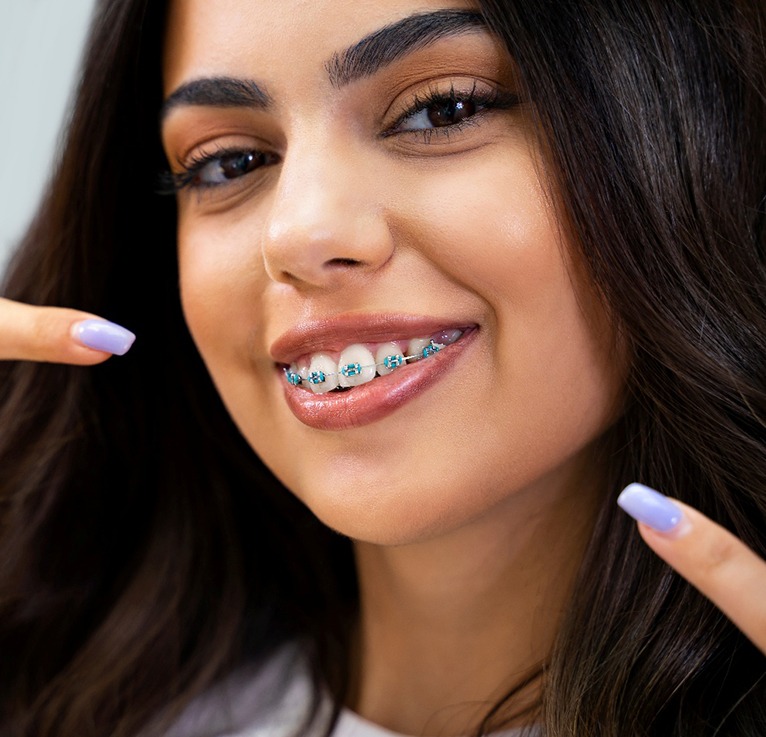
Although there have been some exciting innovations in how we treat bite and alignment issues over the past few decades, traditional braces have stood the test of time and are still the world’s most popular orthodontic treatment. Using a series of brackets that attach to the surface of the teeth, Dr. Salem can gently guide them into a more ideal position with the help of an arch wire, giving your child a healthier, more beautiful smile over time!
Why Choose Pediatric Dentistry & Orthodontic Consultants for Traditional Braces?
- Board-Certified Orthodontist
- Dental Insurance Welcome & Flexible Financing Available
- Member of the American Academy of Orthodontists & The American Board of Orthodontists
How Do Traditional Braces Work?
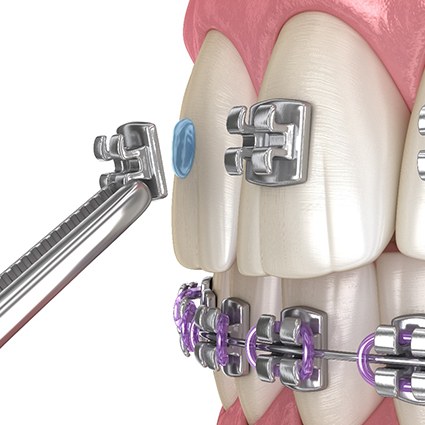
Orthodontic problems like crowding, gaps, or a bad bite can make your child’s smile look asymmetrical and can even create oral hygiene challenges. With traditional braces, we can realign their smile, making it look and feel better.
First, Dr. Salem will attach a series of brackets to the enamel of the teeth. These are designed to hold a thin, metal arch wire in place to gently guide the teeth into a more ideal position. Then, approximately every six weeks, your child will return to see Dr. Salem to have their arch wire changed to continue moving their teeth into their new places. These appointments should only take about 30 minutes but are essential for improving their smile on schedule. In most cases, treatment with traditional braces can take anywhere from 18 to 24 months; however, the exact length will depend on your child’s individual smile and how compliant they are with Dr. Salem’s instructions.
What Orthodontic Issues Can Braces Fix?

Traditional braces can fix a wide range of orthodontic issues, even when other options like clear aligners can’t. However, to best determine if this treatment is right for your child, it is important to visit Dr. Salem in person for an orthodontic consultation.
Bite Misalignment

Bite misalignment may not seem like a big deal, especially if it’s not very noticeable; however, it can often lead to a variety of other oral health problems, including teeth grinding (bruxism) and temporomandibular joint (TMJ) disorders.
With braces, we can correct these issues, so the teeth fit comfortably together, lowering the risk of jaw pain, stiffness, and teeth grinding as your child grows.
Crowded & Crooked Teeth
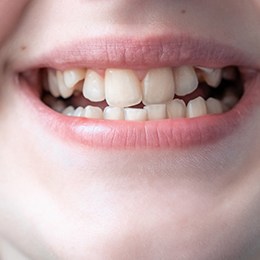
Crowded or crooked teeth not only look bad, but they can also cause a variety of troublesome oral health issues, including difficulty brushing and flossing, which can lead to an increase in cavities and gum disease.
With traditional braces, we can realign the teeth and eliminate crowding, so they not only lay flush, but are also easier to keep clean and cavity-free.
Gapped Teeth
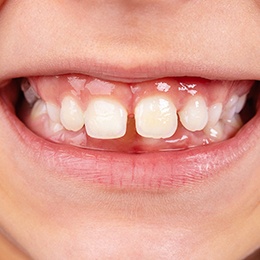
Gaps and wide spaces along the arches can make it easier for food to become trapped between your child’s teeth, causing painful gum irritation. It can also make it difficult to floss them, which can lead to periodontal disease and gum recession. With traditional braces, Dr. Salem can close the gaps in your child’s smile, making it more aesthetically pleasing while simultaneously reducing the risk of dangerous periodontal problems down the road.
Caring for Your Braces
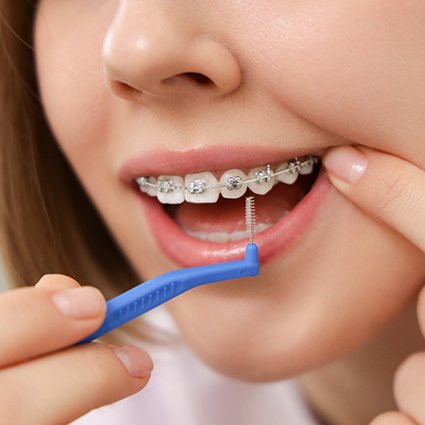
There’s no need to be overwhelmed at the idea of caring for your child’s braces. While they may need to learn a few new techniques, most kids find these quite easy to master with a little practice. Here are a few pointers for keeping their smile healthy during orthodontic treatment.
- Brush and floss your teeth after every meal. You can use a regular toothbrush and toothpaste, as well as things like interproximal brushes to reach under the wires, and floss threaders to help guide dental floss around your orthodontic equipment. You may also want to invest in a water flosser, which can loosen debris and “power wash” particles out from around your brackets.
- Don’t eat anything that could harm your arch wires, such as foods that are very crunchy, chewy, or sticky.
- Attend all your follow-up visits with Dr. Salem. These are when he will change out and adjust your wires so your teeth can continue moving the in the right direction on schedule.
- Visiting your pediatric dentist regularly for your exams and cleanings is especially important during orthodontic treatment, as it can be difficult for kids to reach all the surfaces of the teeth with all that equipment on them. Although their teeth will be examined regularly by Dr. Salem, their pediatric dentist will still need to screen for cavities and gum disease and provide a deeper cleaning for their teeth and equipment than can be done at home. If your child is struggling to maintain their oral hygiene with traditional braces, it is possible that their pediatric dentist may recommend visiting every three months instead of every six.