
If you’re considering straightening your teeth, you’ve likely heard about both traditional braces and Invisalign clear aligners. Both treatments are highly effective at correcting misalignment, improving bite issues, and enhancing your smile. However, each option offers unique benefits and may be better suited for different lifestyles and orthodontic needs. Understanding the differences can help you decide which treatment is right for you.
How Traditional Braces Work
Traditional braces use metal or ceramic brackets that are attached to the teeth and connected by wires. Over time, your orthodontist adjusts the wires to gradually move your teeth into proper alignment. Braces are highly effective and can treat a wide range of orthodontic issues, including severe crowding, large gaps, and complex bite problems.
One of the biggest advantages of braces is that they remain fixed in place, meaning you don’t have to worry about remembering to wear them. However, braces can be more noticeable and may require certain dietary restrictions. Sticky, hard, or chewy foods can damage brackets or wires, so patients need to be mindful of what they eat. Cleaning around braces also requires extra effort to prevent plaque buildup.
How Invisalign Works
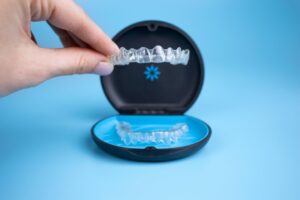
Invisalign uses a series of custom-made, clear plastic aligners that gradually shift teeth into position. Patients typically wear each set of aligners for one to two weeks before switching to the next set. The aligners are removable, allowing you to eat, brush, and floss normally.
One of the most appealing benefits of Invisalign is its nearly invisible appearance, making it popular among adults and teens who want a more discreet orthodontic treatment. Invisalign aligners are also smooth and comfortable, reducing the risk of irritation often associated with brackets and wires. However, Invisalign requires discipline. Aligners must be worn for 20 to 22 hours per day to achieve the best results.
Comparing Lifestyle and Treatment Needs
Your lifestyle and orthodontic needs often play a major role in choosing between Invisalign and braces. Invisalign offers convenience and flexibility, especially for individuals who want fewer dietary restrictions and easier oral hygiene routines. It is often ideal for mild to moderate alignment issues.
Braces, on the other hand, are often recommended for more complex orthodontic cases. They provide precise control over tooth movement and can address severe alignment or bite concerns that may not be suitable for clear aligners alone.
Both Invisalign and traditional braces can deliver excellent results when used as directed. The best option depends on factors such as the complexity of your case, your daily habits, and your personal preferences. A consultation with your dentist or orthodontist can help determine which treatment will provide the most effective and comfortable path to achieving a straighter, healthier smile.
About the Practice
Looking for a straighter, healthier smile? How about orthodontic treatment at Pediatric Dentistry & Orthodontics Consultants? Our team is led by a board-certified pediatric dentist and orthodontist, so you can rest assured you’re getting the best treatment possible. Our office is newly equipped with advanced technology, and we accept dental insurance and offer financing as well. Ready to get started? Schedule an appointment online or call (630) 717-5437.