
Watching your baby’s first tooth appear is an exciting milestone—but it can also bring plenty of questions. When should teeth come in? Is teething supposed to hurt? Do baby teeth really matter if they’re eventually going to fall out?
The good news is that a little knowledge can go a long way. Understanding your child’s dental development can help you feel prepared and give your little one the best start toward a lifetime of healthy smiles.
When Will My Baby’s Teeth Come In?
Most babies get their first tooth around 6 months of age, although it’s completely normal for the first tooth to arrive a few months earlier or later.
Typically, the lower front teeth appear first, followed by the upper front teeth. Over the next two to three years, the remaining baby teeth gradually erupt until your child has a full set of 20 primary teeth by around age 3.
Every child develops at their own pace, so don’t worry if your baby’s timeline looks a little different.
What to Expect During Teething
Teething can be uncomfortable, but it isn’t the same for every child. Some babies seem barely bothered, while others become fussy for a few days before a new tooth appears.
Common signs of teething include:
- Increased drooling
- Chewing on toys or fingers
- Mild gum tenderness
- Irritability
- Changes in sleep patterns
While these symptoms are common, teething should not cause a high fever, severe diarrhea, or prolonged illness. If your baby develops these symptoms, it’s best to contact your pediatrician to rule out another cause.
Why Baby Teeth Matter
Since baby teeth eventually fall out, it’s easy to assume they aren’t very important. In reality, they serve several essential purposes.
Healthy baby teeth help your child:
- Chew food comfortably
- Learn to speak clearly
- Develop healthy jaw growth
- Hold space for permanent teeth
- Build confidence with a healthy smile
If a baby tooth is lost too early because of decay or injury, neighboring teeth may shift into the empty space. This can make it more difficult for permanent teeth to erupt properly later on.
Caring for Baby Teeth
Good oral hygiene begins before all of your child’s teeth have erupted.
Before the first tooth appears, gently wipe your baby’s gums with a clean, damp cloth after feedings. Once teeth begin coming in, brush them twice a day using a soft-bristled toothbrush and a smear (about the size of a grain of rice) of fluoride toothpaste.
As your child gets older and can spit reliably, your dentist may recommend increasing the amount of toothpaste to a pea-sized amount.
Parents should continue helping or supervising brushing until children have the coordination to brush thoroughly on their own, which is often around ages 7 or 8.
Watch Out for Baby Bottle Tooth Decay
One of the most preventable childhood dental problems is baby bottle tooth decay.
Frequently putting a baby to bed with a bottle containing milk, juice, or other sugary drinks allows sugars to remain on the teeth for extended periods. This can lead to cavities, especially on the upper front teeth.
To reduce the risk:
- Avoid putting your baby to bed with anything but water.
- Limit sugary drinks.
- Begin brushing as soon as the first tooth erupts.
- Encourage drinking from a cup as your child grows.
Small daily habits can make a big difference in protecting your child’s smile.
When Should My Child First Visit the Dentist?
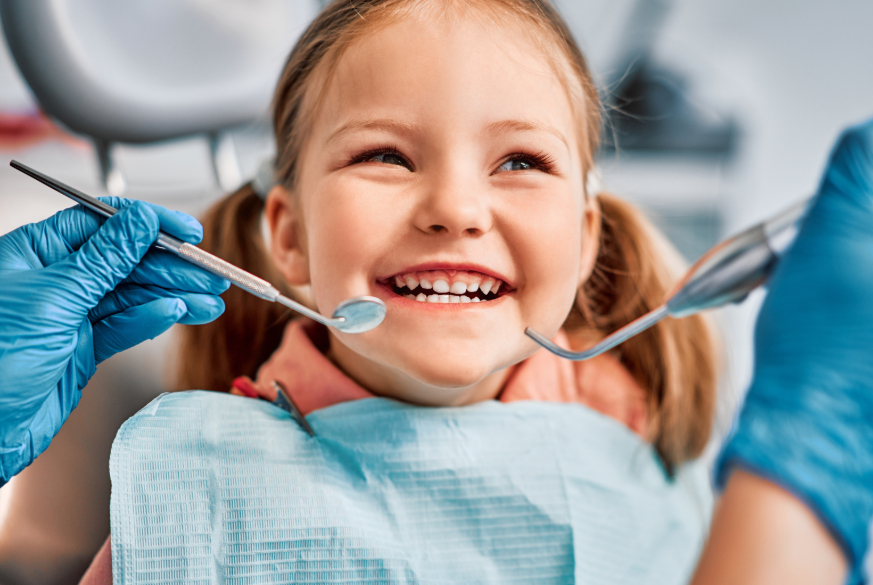
The American Academy of Pediatric Dentistry recommends scheduling your child’s first dental visit by their first birthday or within six months after the first tooth appears.
Early dental visits allow your dentist to:
- Monitor healthy development
- Check for early signs of cavities
- Provide guidance on brushing and nutrition
- Answer questions about teething and oral habits
- Help your child become comfortable with dental visits
Starting dental care early helps establish positive experiences and healthy habits that can last a lifetime.
Your baby’s first teeth may be small, but they play a big role in your child’s growth, health, and future smile. Knowing what to expect can help you feel confident every step of the way.
About the Practice
Dr. Dulli and Dr. Salem of Pediatric Dentistry and Orthodontics Consultants are dedicated to providing compassionate, child-focused dental care in a fun and welcoming environment. They work closely with families to help children develop healthy oral habits from infancy through adolescence, offering preventive care, routine exams, and personalized treatment tailored to every stage of growth. Their goal is to make every dental visit a positive experience while supporting healthy smiles for years to come.
Call us at (614) 792-0063 or schedule your appointment online.